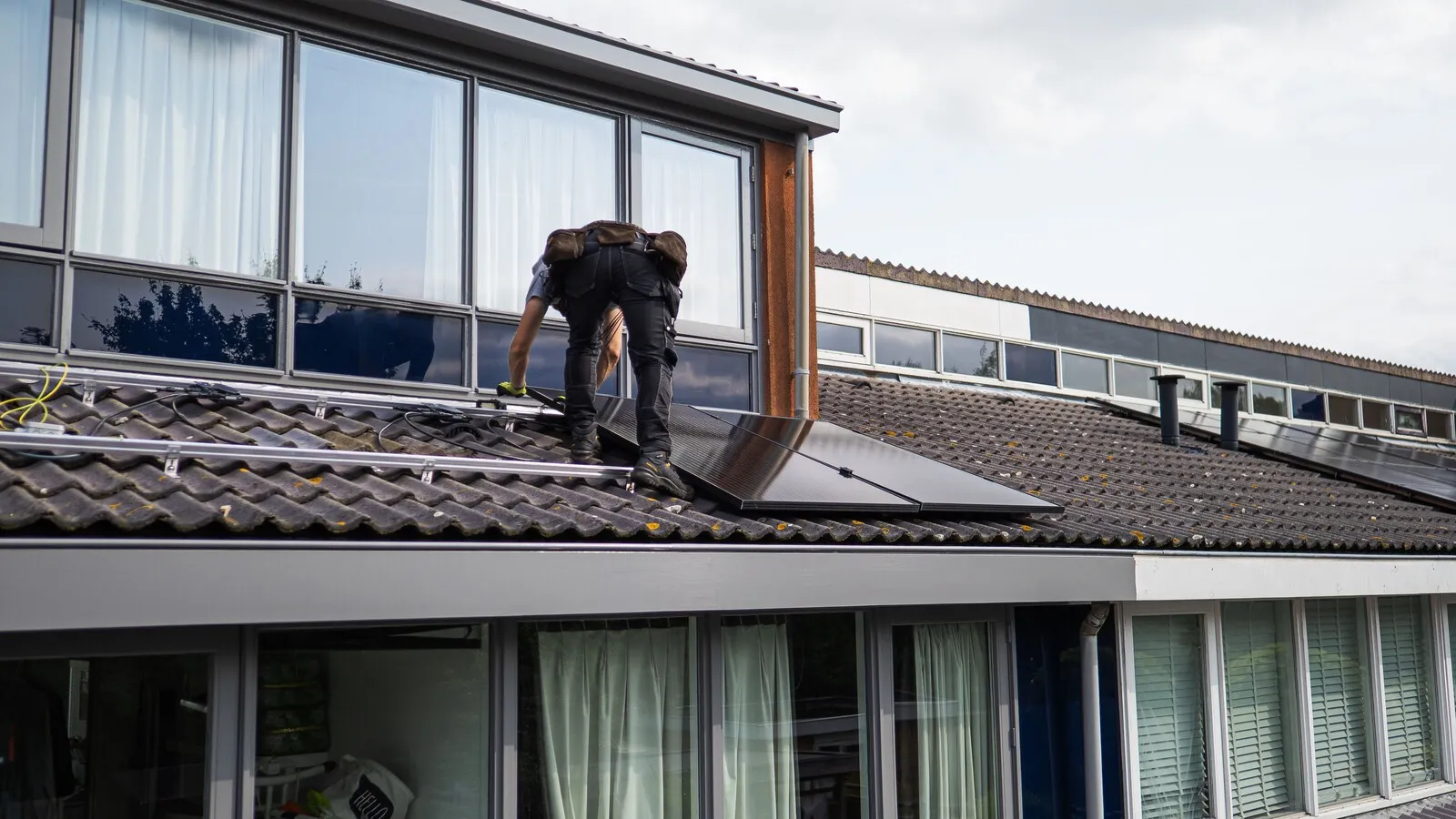
Solar Panel Costs in 2026
As of 2026, a typical 3-4 kWp - kilowatt peak, the measure of a system’s maximum output under ideal conditions - solar panel system costs between £5,000 and £9,000 fully installed, including 0% VAT. Adding battery storage brings the total to £8,000-£14,000. Prices vary by installer, roof complexity, and equipment choice. The only reliable way to understand what your home will cost is to get at least three quotes from MCS - Microgeneration Certification Scheme, the quality standard for renewable energy installers - certified companies.
What Affects the Price
Several factors push costs up or down within that range.
System size is the biggest driver. A 3 kWp system suits a smaller home with modest electricity use. A 4 kWp system is more common for a three or four-bedroom house. Larger systems cost more but generate more electricity, so the relationship between cost and output is roughly proportional.
Roof complexity adds cost. Straightforward pitched roofs are quickest to work on. Awkward angles, multiple roof planes, high-access properties, or roofs that need repair before panels go on all increase labour time and therefore price.
Equipment choice matters. Panel efficiency and inverter quality vary between manufacturers, and installers offer different product ranges. A higher-efficiency panel costs more upfront but generates slightly more electricity from the same roof area - useful if your roof space is limited.
Battery storage is the largest optional addition. A home battery stores surplus daytime electricity for evening use. Batteries typically add £2,000-£5,000 to the project. Fitting a battery at the same time as panels is usually cheaper than adding one later, because the installation costs are shared.
Why Getting Three Quotes Matters
Prices for the same system specification can vary by £1,500 or more between installers. The solar installation market includes national companies, regional specialists, and local sole traders - and their pricing reflects different overhead structures, not necessarily different quality.
Getting multiple quotes also helps you understand the rationale behind each recommendation. If one installer suggests a 3 kWp system and another suggests 4 kWp, asking why tells you something useful about how thoroughly they have assessed your home.
Before committing, check whether your roof is suitable for the system size being proposed. Once panels are installed, you may also be eligible for the Smart Export Guarantee, which pays you for surplus electricity exported to the grid.
Frequently Asked Questions
How much do solar panels cost in 2026?
A typical 3-4 kWp residential solar panel system costs between £5,000 and £9,000 fully installed as of 2026, including 0% VAT. Battery storage adds £2,000-£5,000 on top. Prices vary by installer, roof type, and equipment specification. Get at least three quotes from MCS-certified installers before committing to any figure.
Is VAT charged on solar panels?
Residential solar panel installations in the UK are currently zero-rated for VAT, meaning you pay 0% VAT on the supply and installation. This applies to panels, inverters, and battery storage installed alongside panels. The zero-rate has been in place since April 2022 and applies to homeowners, not businesses.
Does adding a battery significantly increase costs?
Yes. A home battery system typically adds £2,000-£5,000 to the total project cost, depending on capacity and brand. Fitting a battery at the same time as your panels is generally cheaper than adding one later, as installation costs are shared. Whether a battery is worth it depends on your electricity usage pattern and how much of your solar generation you can use during the day.
What is included in the installation cost?
A full installation quote should include the solar panels themselves, the inverter - which converts direct current from the panels into the alternating current your home uses - all mounting hardware and fixings, cabling, a generation meter, DNO - Distribution Network Operator, your regional grid company - notification, and commissioning. Confirm exactly what is included before accepting any quote, as some installers price scaffolding separately.
Can I get a grant to reduce the cost?
There is currently no national grant for residential solar panels in England. The previous Feed-in Tariff closed to new applicants in 2019. Some local councils have run targeted schemes for lower-income households, but these vary and change frequently. The main financial benefit available to new installations is the Smart Export Guarantee, which pays you for electricity exported to the grid rather than reducing upfront cost.