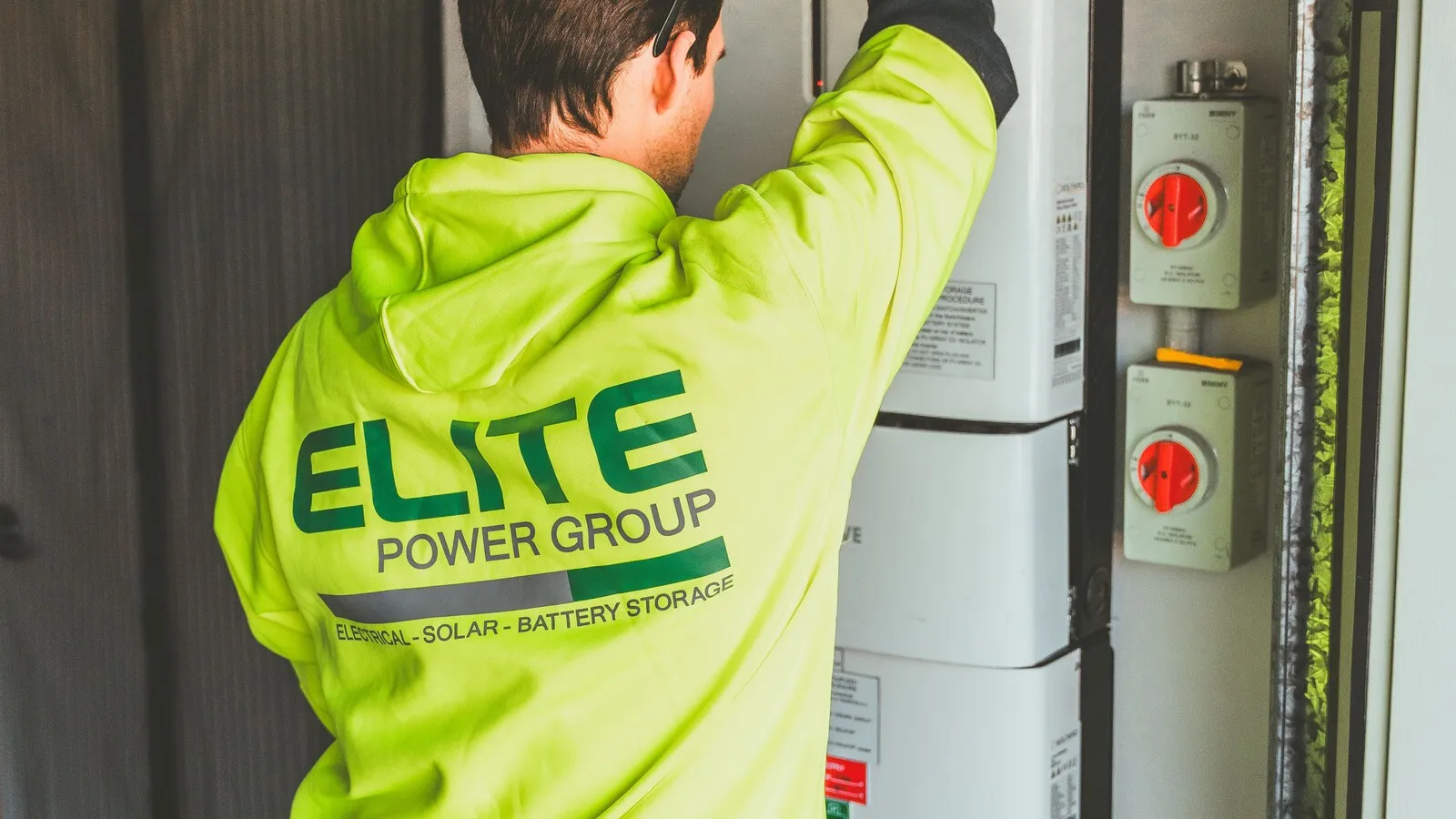
Solar Panels and Battery Storage: Is a Home Battery Worth It?
A home battery stores surplus electricity your solar panels generate during the day for evening use. This reduces how much you import from the grid after dark. Adding a battery typically costs between £2,000 and £5,000 as of 2026. Payback periods are typically longer than for solar panels alone and depend on how your household uses electricity.
How a Home Battery Works
Solar panels generate most electricity during daylight hours. Unless you are home running appliances at that time, much of that power flows back to the grid under the Smart Export Guarantee - the scheme that pays you for surplus solar electricity exported to the grid.
A home battery captures that surplus power as it is generated and stores it until you need it. You draw on it during the evening peak, increasing self-consumption: the proportion of your generated electricity used within your home rather than exported.
What Does Adding a Battery Cost?
Battery storage is sized by capacity. A kilowatt hour (kWh) - the unit used on your electricity bill to measure energy consumption - is the standard measure of battery size. A 5 kWh to 10 kWh unit (enough for most households’ evening electricity use) typically costs between £2,000 and £5,000 supplied and installed as of 2026, at zero-rated VAT.
Fitting a battery at the same time as new panels is cheaper than retrofitting later, since installers complete both jobs in one visit and share scaffolding costs. For current solar panel costs in 2026 and how battery storage affects the overall budget, see our costs guide.
Battery Storage and the Smart Export Guarantee
Adding a battery reduces how much electricity you export to the grid, which reduces your SEG earnings. Whether that favours you depends on the gap between your import and export rates. Electricity import rates in the Three Counties area currently run between 24p and 28p per kWh, as of mid-2026 (source: Ofgem price cap data). SEG export rates vary by tariff but typically range from 4p to 15p per kWh as of mid-2026 (source: current supplier tariff listings). The wider that gap, the stronger the case for a battery.
Who Benefits Most From Battery Storage?
Households most likely to benefit include those with high evening electricity use, electric vehicle owners who can charge overnight from stored solar power, and those working from home with high daytime consumption who want to extend that saving into the evening.
Battery payback periods are typically 12 to 20 years at current prices, considerably longer than the 8 to 12 years often cited for solar panels alone. These estimates assume electricity prices remain broadly stable. A battery makes the strongest case when energy independence matters to you alongside the financial return.
For guidance on finding a qualified installer, see our guide on how to choose a solar installer.
Frequently Asked Questions
Can I add a battery to my existing solar panel system?
Yes. Most home batteries can be retrofitted to an existing solar panel system. Your installer will need to confirm whether your current inverter - the device that converts DC electricity from your panels into AC electricity your home uses - is compatible, or whether a hybrid inverter - one that manages both solar generation and battery storage together - needs to be fitted instead. Retrofitting is typically more expensive than installing both together.
Will a home battery mean I never need electricity from the grid?
Unlikely. A battery significantly reduces how much you import, but solar panels generate nothing overnight and very little during overcast winter days. Most households with battery storage still draw from the grid regularly, particularly from October to March when solar generation across Bedfordshire, Hertfordshire, and Buckinghamshire is at its lowest.
How long does a home battery last?
Most batteries carry a manufacturer’s warranty of 10 years. Lithium iron phosphate batteries - the most common type in residential installations - degrade more slowly than earlier lithium-ion designs. Most retain around 80% of their original capacity by the end of the warranty period, though this varies by brand and how frequently the battery is cycled.
Are there grants for home battery storage in 2026?
There is no dedicated national grant for residential battery storage in 2026. The Government’s Warm Homes Plan may include battery incentives in future. Some local energy projects in Bedfordshire, Hertfordshire, and Buckinghamshire have offered targeted support in the past; checking with your local council before purchasing is worthwhile.